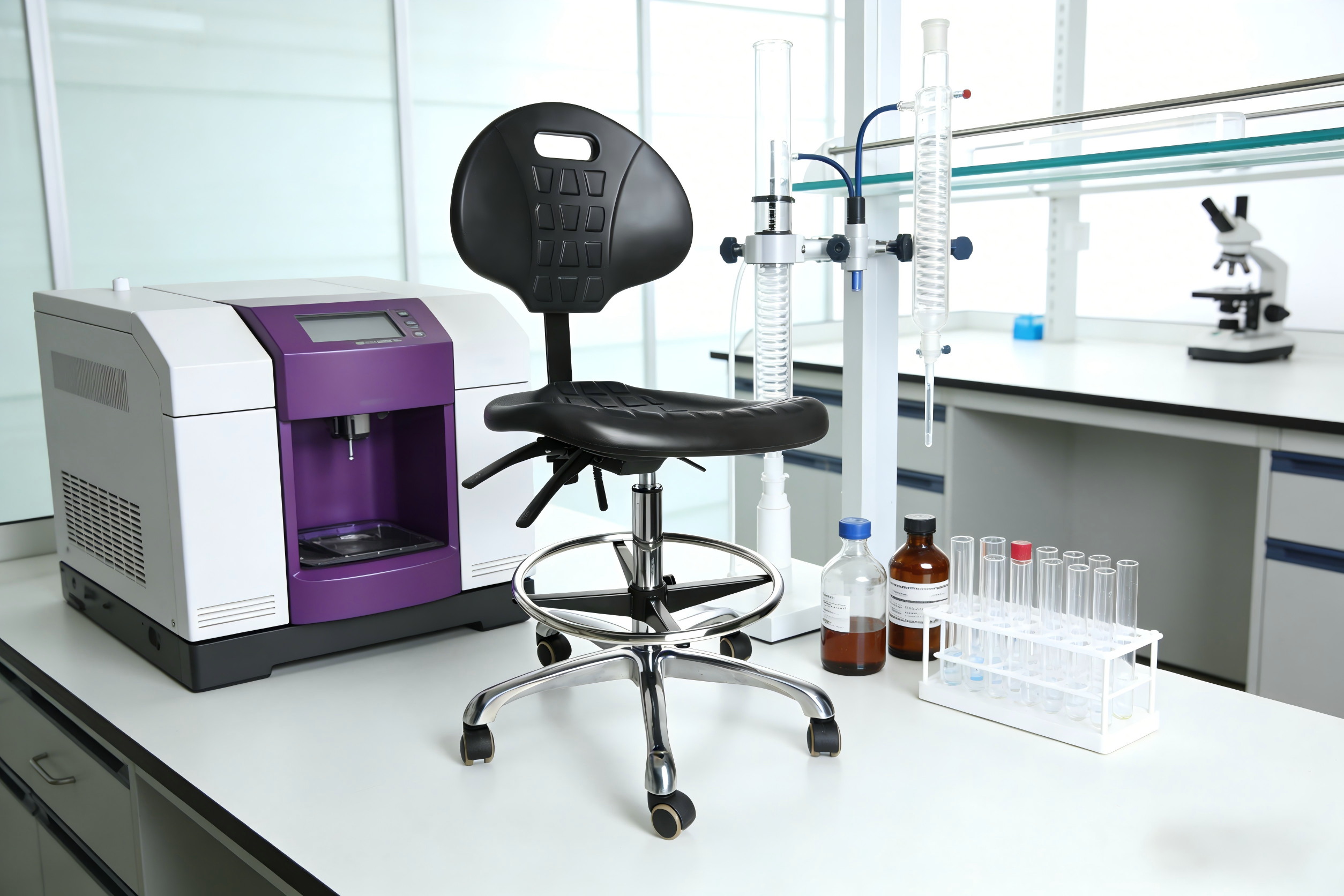
This article examines the environmental impact of polyurethane, PU foam, and plastic used in laboratory chairs. Discover why long-lasting options like the industrial polyurethane with chrome foot ring and casters adjustable laboratory chair support sustainability.
As laboratories worldwide adopt greener practices, attention turns not just to energy use and waste, but also to the materials used in lab furniture. When choosing between polyurethane, PU foam, and plastic, it’s essential to understand the environmental implications of each — from production to end-of-life disposal.
1. Polyurethane: Durable and Long-Lasting
Polyurethane is not biodegradable, but its long life cycle makes it a more sustainable option than you might think: fewer replacements needed, reducing waste; compatible with recycling streams in industrial waste processing; and resistant to degradation, extending usable lifespan. Chairs like the industrial polyurethane with chrome foot ring and casters adjustable laboratory chair may last 2–3 times longer than PU foam alternatives, significantly lowering the overall environmental footprint.
2. PU Foam: Shorter Life, More Waste
Although made from similar base materials, PU foam breaks down faster under daily wear, absorbs chemicals and moisture, making it non-recyclable after use, and is often bonded with non-recyclable upholstery. This means foam chairs are frequently discarded, adding to landfill pressure. In contrast, the industrial polyurethane with chrome foot ring and casters adjustable laboratory chair maintains performance without added upholstery, making it easier to process at end of life.
3. Plastic: Mixed Environmental Record
Plastic chairs are lightweight and low-cost but raise sustainability concerns: often made from virgin plastic rather than recycled; not always recyclable depending on structure or additives; crack and degrade easily, leading to frequent replacements. While plastic may seem “green” due to recyclability claims, in practice, its short use cycle makes it a less responsible choice.
The industrial polyurethane with chrome foot ring and casters adjustable laboratory chair provides an eco-friendlier path by reducing replacement frequency, resisting damage, and aligning with longer-term sustainability goals.
READ MORE