This article explores recurring challenges buyers face when sourcing lab chairs and how the industrial polyurethane with chrome foot ring and casters adjustable laboratory chair offers a solution.
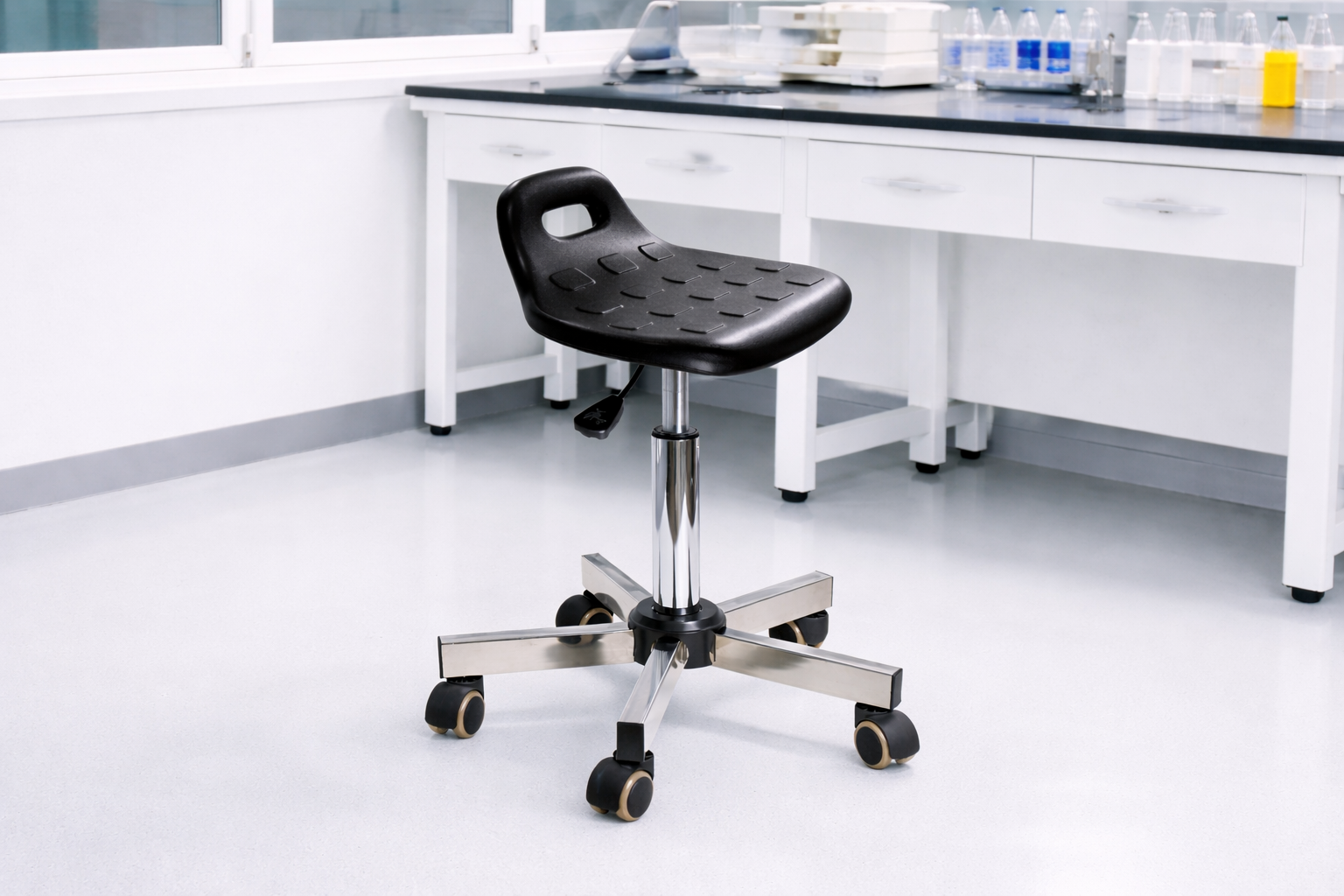
Lab seating is critical for comfort, safety, and productivity. However, many buyers encounter obstacles when sourcing from unverified or unqualified suppliers. The industrial polyurethane with chrome foot ring and casters adjustable laboratory chair offers a quality benchmark to guide effective sourcing.
1. Substandard Caster Performance
Poor casters lead to unstable seating and mobility issues. Ensure the model you choose includes heavy-duty, lab-grade casters. The featured chair’s wheels move smoothly across lab floors and meet anti-static requirements.
2. Poor Assembly Instructions or Missing Parts
Buyers sometimes receive chairs without clear instructions or with missing screws and parts. Reliable suppliers pre-check shipments and include illustrated guides. This chair model is easy to assemble with minimal tools.
3. Inadequate Load Capacity
Low-cost chairs may not support adult weight over long hours. Always confirm weight capacity with the supplier. The industrial polyurethane with chrome foot ring and casters adjustable laboratory chair supports high weight limits without wobble or failure.
4. Surface Defects or PU Cracking
Cheap PU may crack, peel, or stain. Choose chairs with lab-tested polyurethane that resists chemicals and wear. This model is favored for its smooth finish and surface durability.
5. Language or Communication Barriers
Poor communication can delay timelines and cause costly misunderstandings. Choose exporters with strong English communication and experience in international orders.
Conclusion
Avoiding sourcing problems begins with selecting proven, lab-grade models like the industrial polyurethane with chrome foot ring and casters adjustable laboratory chair. Understanding these common issues leads to better decisions, stronger supplier relationships, and successful imports.
READ MORE